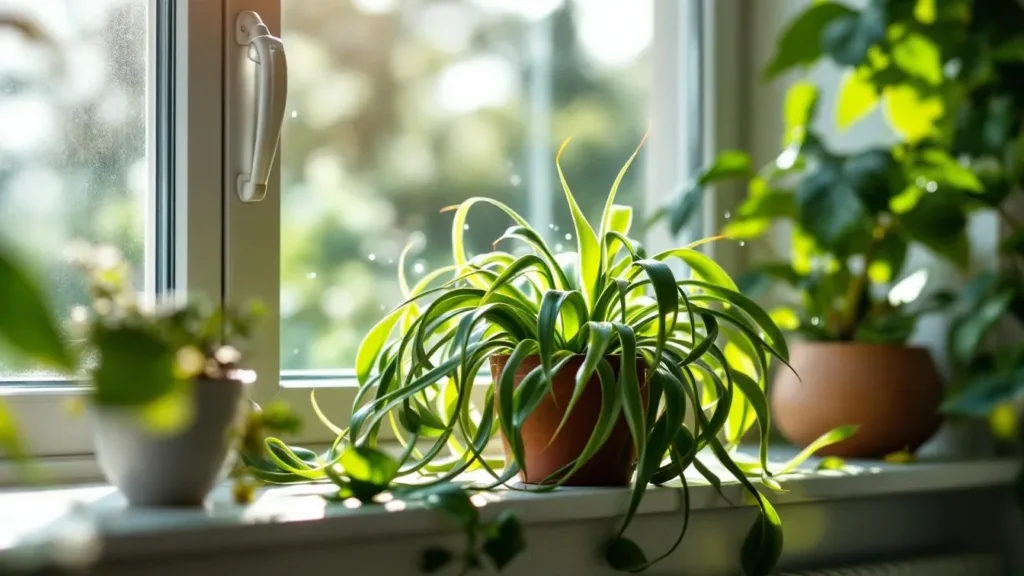
As spring settles in, bringing that unpredictable British weather with it, many households contend with dampness and humidity. While expensive air purifiers often promise a solution, there’s a surprisingly affordable alternative lurking in your local garden centre: the spider plant. At just £5, this unassuming houseplant holds the key to improving air quality and moisture levels without breaking the bank.
Why Spider Plants are a Game-Changer for Damp Homes 🌿💧
- Natural Air Purifier: Spider plants effectively filter indoor pollutants like formaldehyde and benzene, making them champions of home air quality. 🌱
- Humidity Control: They help maintain optimal humidity levels by releasing moisture through their leaves, combating dampness. 💦
- Low Maintenance: Effortlessly blend in with your decor, spider plants thrive on neglect and require minimal care. 🪴
- Pet-Friendly: Unlike many houseplants, spider plants are non-toxic to cats and dogs, so no need to worry about furry friends! 🐾
Did you know? In 2026, 60% of UK households reported issues with indoor humidity, highlighting the importance of effective but affordable solutions. 🏠
How Spider Plants Improve Indoor Air Quality 🌤️
According to NASA’s Clean Air Study, spider plants are among the most efficient at absorbing toxins, including carbon monoxide and formaldehyde, commonly found in household items. These pollutants can trigger allergies and respiratory issues, making the presence of spider plants in your home a smart choice.
They not only purify the air but also contribute to oxygen production, enhancing the overall quality of the environment. With just a couple of spider plants placed strategically, you can significantly uplift your indoor air quality, making your home a healthier place to live.
Easy Care for Spider Plants: Keep Them Thriving 🌞
One of the most appealing characteristics of spider plants is their resilience. Here are a few tips to ensure they flourish:
- Location: Choose a spot with bright, indirect sunlight. Too much direct light can scorch their leaves, while too little can hinder growth. ☀️
- Watering: Allow the top inch of the soil to dry out before watering. Overwatering can lead to root rot, a common issue that many plant enthusiasts encounter. 💧
- Soil Choice: Opt for well-draining potting soil. A mix with peat and perlite provides the right aeration and drainage essential for healthy root development. 🪴
With these simple steps, anyone can enjoy the benefits of a thriving spider plant collection at home.
Why Humidity Matters and How Spider Plants Help 🌫️
Indoor humidity levels can significantly affect comfort and health. In homes where humidity is too high, issues such as mould growth and dust mites may arise, leading to allergic reactions. Spider plants help mitigate these concerns by releasing moisture through their leaves, effectively balancing humidity levels.
By strategically placing spider plants in areas often affected by dampness—like bathrooms or kitchens—you create a natural moisture controller. This not only keeps your home more comfortable, especially as spring unfolds, but it also keeps health risks at bay.
Common Issues with Spider Plants and Their Solutions ⚠️
Even the hardiest of plants can face challenges. Here are some common problems and easy solutions:
- Browning Leaf Tips: This may stem from poor water quality or inconsistent watering. Switch to filtered water and apply a more diligent watering routine to combat this. 🌧️
- Yellowing Leaves: Often a sign of overwatering. Conduct a moisture check to ensure the soil is not waterlogged before adjusting your watering schedule accordingly. 🔍
- Pest Issues: Occasionally, spider plants may attract pests like spider mites. Regularly wiping down leaves with a damp cloth can protect against infestations. 🕷️
Integrating Spider Plants into Your Home Design 🏡
Spider plants are not just functional; they also enhance your décor. Here are some inspiring placement ideas:
- Living Room: Hang a spider plant near a window for visual appeal and air purification benefits. 🛋️
- Kitchen: Keep one on the counter to filter cooking odors and maintain freshness. 🍳
- Bedroom: Position one near your bed for cleaner air while you sleep, promoting restful nights. 💤
- Bathroom: They thrive in humid spaces, making bathrooms an ideal location for these green beauties. 🚿
With their aesthetic appeal and health benefits, integrating spider plants into various areas of your home can create a calming and rejuvenating environment.
Next Steps: Bringing Spider Plants into Your Life 🌱
If you’re considering enhancing your home with natural air purifiers, now’s the time to seek out your first spider plant. They’re not only affordable at around £5, but they also offer a myriad of benefits. Visit your local garden centre or even Tesco for a wide selection of these air-cleaning companions.
Don’t hesitate to share your plant care tips or stories. After all, nurturing these beautiful plants is a journey well worth embarking on.
Note: This article is for general information purposes only and does not replace professional advice.