
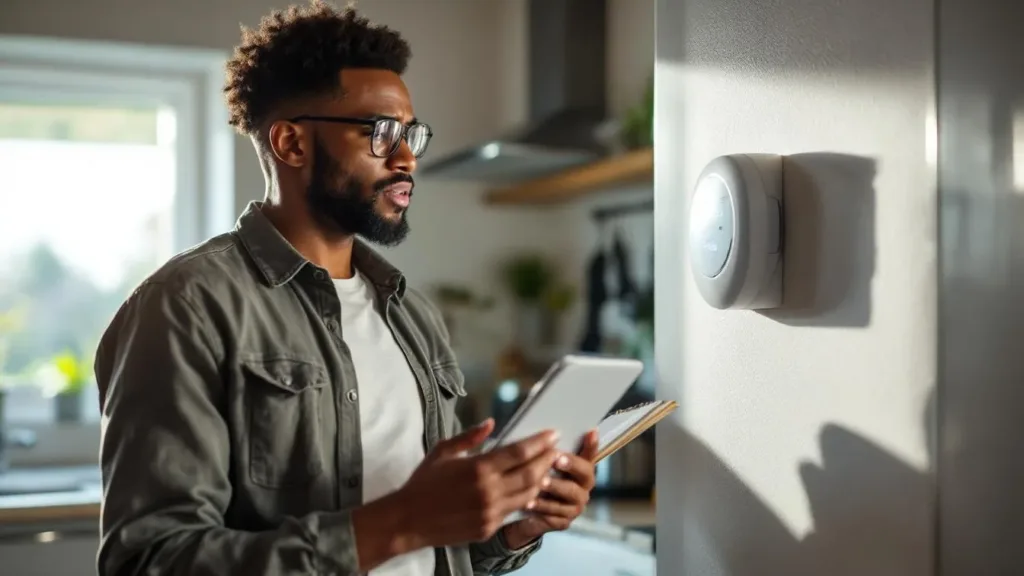
As spring bathes the UK in occasional sunshine and unexpected showers, many residents are busy managing their smart meters. With energy prices still lingering in the minds of many, it’s crucial to ensure these devices are playing fair. Is that reading on your smart meter as accurate as it claims?
Unmasking the Smart Meter Lies 🤔
- Meter Accuracy: Many people find that their smart meters report significantly higher energy consumption than expected. This can lead to inflated bills. 😤
- Billing Errors: If your readings seem suspect, it’s possible your energy provider is making billing mistakes based on faulty data. 📉
- Device Calibration: New smart meters must be calibrated correctly; if not, they could misread power usage. ⚡
- Faulty Meter: Occasionally, a smart meter might malfunction entirely, causing discrepancies in readings. 🔧
Did you know? As of 2026, almost 70% of households in the UK have installed smart meters, but nearly 15% are reporting inconsistent readings. 📊
The Importance of Checking Your Readings 🧐
Understanding your electricity reading is vital for managing household expenses. Many residents expect their smart meters to give them real-time, accurate data on energy consumption. However, discrepancies can arise, which is why regular monitoring is essential. Customers who trust their smart meters blindly may find themselves facing unpleasant surprises when the monthly bill arrives.
One typical scenario involves users discovering that their smart meter reports double their actual energy usage. When this happens, the ideal response is to cross-check readings. By taking a manual reading directly from the smart meter and comparing it to what the provider has on record, surprises can be avoided. Understanding these nuances can lead to more effective energy monitoring, helping families adjust their habits for saving money.
Common Misunderstandings About Smart Meters 🤷♂️
Many assume that smart meters eliminate all errors in energy billing. While they do provide superior tracking compared to traditional meters, they can still be vulnerable to inaccuracies. Some consumers believe that once a smart meter is installed, their energy consumption will be accurately reflected without any further checks. This misconception can lead to unrest when bills arrive that do not correlate with expected usage.
Customers should also be aware that smart meters can be influenced by several external factors. For instance, updates and firmware changes made by energy companies may inadvertently affect meter readings. Thus, consumers should stay proactive about monitoring their smart meter’s performance and seek clarification with their providers if anything feels off.
Practical Steps to Validate Your Smart Meter Reading 🔍
Checking your smart meter reading isn’t as daunting as it may sound. Start with a simple manual reading. This involves recording the numbers displayed on your meter and noting the time. Then, compare this with what’s reported in your online account or bill from your energy provider. Regular checks can reveal patterns and potential discrepancies in real time.
For those frequenting the aisles of Tesco or Boots, it’s worth picking up a home energy monitor. These devices provide another layer of monitoring, allowing users to get a clearer picture of their energy consumption. Understanding the specifics of your power usage could ultimately help trim those costs, especially if one notices unusual spikes in usage.
Everyday Life with Smart Meters 🚶♂️
A common misconception is that once a smart meter is installed, consumers no longer have to worry about monitoring their readings. In reality, these devices require active management. Just because it’s automated doesn’t mean it’s fault-proof. With hundreds of thousands of meters across the country, errors can happen, and ignoring them could lead to costly mistakes. Moreover, it’s worth noting that not all smart meters are created equal. Variations in how they are designed and installed can lead to significant differences in performance and accuracy. Thus, it’s essential to stay informed and do periodic checks just to be on the safe side. Note: This article is for general information purposes only and does not replace professional advice.Clearing Up the Confusion Around Smart Meters ⚠️
Ready to Take Action? 🚀