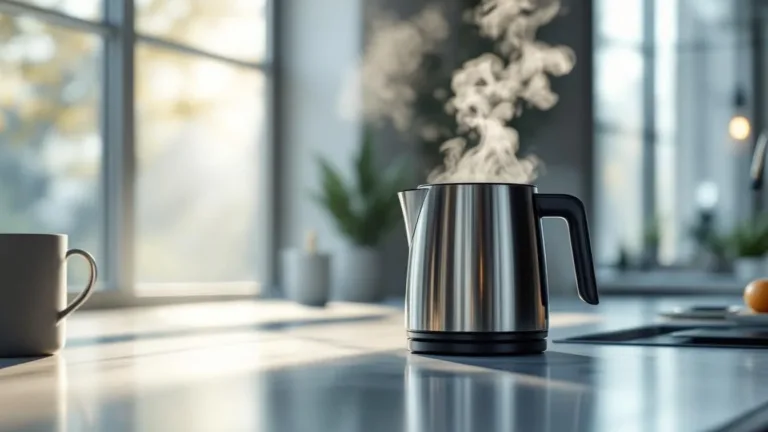
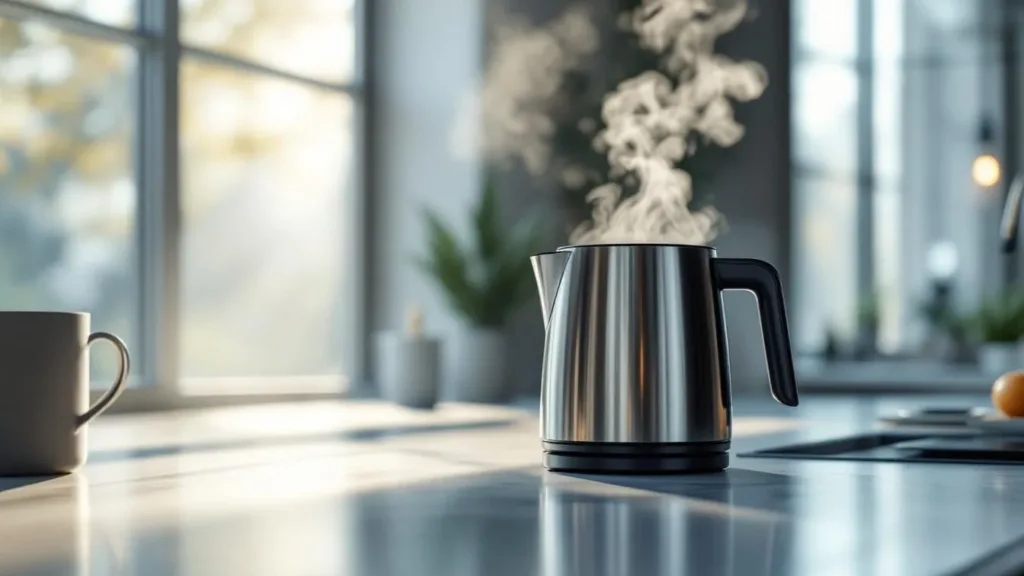
As we step into the unpredictable dance of UK Spring, when sunny spells are just as likely to be followed by drizzles, our trusty kettles need a bit of extra love. Those unsightly limescale deposits can tempt you to wave goodbye to your kettle altogether, but hold on! There’s a clever hack that involves no bleach and doesn’t demand you scrub until your arms ache.
At a Glance
- No Scrubbing Needed 🚫🧽
- Quick and Effective ⏱️✨
- Naturally Available Ingredients 🍋🧂
- Eco-Friendly Solution 🌍♻️
- Save Your Kettle! 🫖❤️
In 2026, eco-conscious cleaning trends like using citric acid for home remedies are on the rise, with many swearing it’s the best way to remove stubborn kettle limescale overnight!
Understanding Limescale: What is it?
Limescale is that pesky white build-up you see inside your kettle, primarily made of calcium carbonate. It often rears its ugly head in areas with hard water, and nothing ruins a perfectly brewed cuppa quite like a few flakes floating around. Over time, if left alone, this can hinder your kettle’s efficiency and even lead to more serious damage.
While it might seem like an insignificant nuisance at first, neglecting to tackle limescale can lead to longer boiling times or even dangerously faulty appliances. Thankfully, keeping this aggravating buildup at bay doesn’t have to break the bank or your back.
That’s where this natural trick comes into play. Not only will you find it to be simple and effective, but you’ll also feel rather pleased knowing you’re using eco-friendly ingredients, ensuring your kettle stays shipshape for years to come.
Why Citric Acid is the Star Player
So, why the fuss about citric acid? Often overlooked, citric acid is a powerhouse for tackling limescale. Found naturally in lemons, this ingredient doesn’t just freshen things up; it dissolves mineral deposits with remarkable efficiency. Users have reported that, when boiled with water, citric acid can clear stubborn limescale almost instantly.
One community tip suggests filling your kettle halfway with water, adding a couple of tablespoons of citric acid, and then bringing it to a boil. Let it sit for a short while before rinsing it out, and voilà! Your kettle looks as good as new without the need for endless scrubbing.
This method not only helps in keeping your appliance clean but additionally eliminates any unwelcome smells or tastes that can linger from previous brews. Plus, as more cleaning enthusiasts move towards natural solutions, this technique aligns perfectly with the trend towards a greener lifestyle.
Step-by-Step Guide to a Sparkling Kettle
Now, let’s get practical! Here’s how to transform your kettle using citric acid:
- Fill your kettle halfway with water.
- Add 2 tablespoons of citric acid to the water.
- Bring the mixture to a boil.
- Let it sit for 20 minutes to allow the citric acid to work its magic.
- Rinse the kettle thoroughly with clean water.
- Boil a fresh batch of clean water to remove any remaining residue. Enjoy a limescale-free kettle!
My Own Kettle Journey
Just the other day, I found myself in a similar predicament after noticing my kettle struggling, making a rather alarming hissing sound. I felt convinced I’d need a new one. However, armed with my newfound knowledge, I decided to give the citric acid method a whirl. I filled the kettle, added the citric acid, and watched in awe as the stubborn limescale practically fizzed away. In less than half an hour, my kettle sparkled like I had just unboxed it. No scrubbing required!
Ongoing Maintenance: Keeping Limescale at Bay
Once you’ve rid your kettle of limescale, maintaining it is a breeze. To prevent limescale buildup in the future, regular checks and cleaning are essential. For many, this can simply mean a monthly treatment with citric acid or even squeezing a fresh lemon into a kettle filled with water.
Additionally, if you live in an area with particularly hard water, consider investing in a kettle water filter or descaling ball. Both options can significantly cut down on limescale formation, and filtering your water can also improve the taste of your brews.
By taking these steps, you’ll ensure that your kettle remains a reliable companion, producing cup after cup of delightful beverages without any unwanted surprises lurking within.
What’s Next?
Your kettle deserves to be cherished, so why not give it the care it needs with this simple yet effective trick? Dive into your cupboards and see what magical items can make your kettle sparkle again. Keep those limescale monsters at bay and make every cup count!
Note: This article is for general information only and does not replace professional advice.