As spring unfolds in the UK, it’s easy to get caught up in the blustery weather and blooming gardens. Yet, there’s more lurking in the kitchen than just the ingredients for a Sunday roast: a simple kitchen scrap may soon become the star of your plant care routine.
Upside of Banana Peels in Plant Care 🍌🌱
- Organic Fertilizer: Banana peels are rich in potassium, phosphorus, and calcium, essential for robust plant nutrition.
- Soil Enrichment: When soaked, these peels release nutrients into the soil, promoting better plant growth.
- Waste Reduction: Using banana peels at home helps reduce kitchen waste, making your gardening efforts eco-friendly.
- Sustainable Gardening: The soak method supports sustainable practices while nurturing your houseplants effectively.
Did you know that 60% of UK households waste food that could be composted? Transforming banana peels into plant care modules could significantly cut down this waste.
The Soak Method Explained 🌊
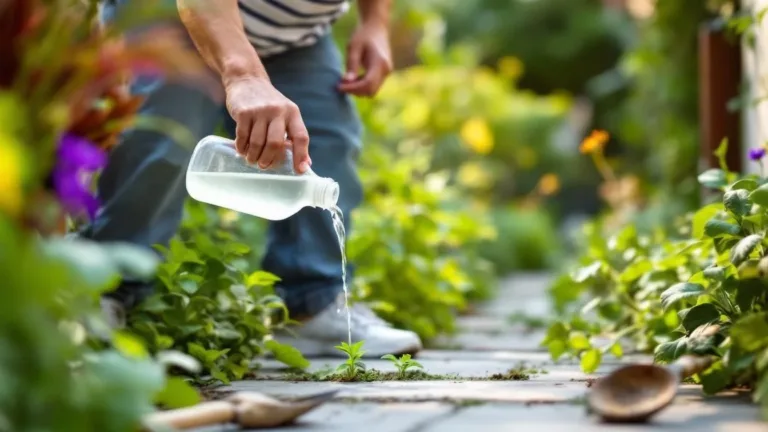
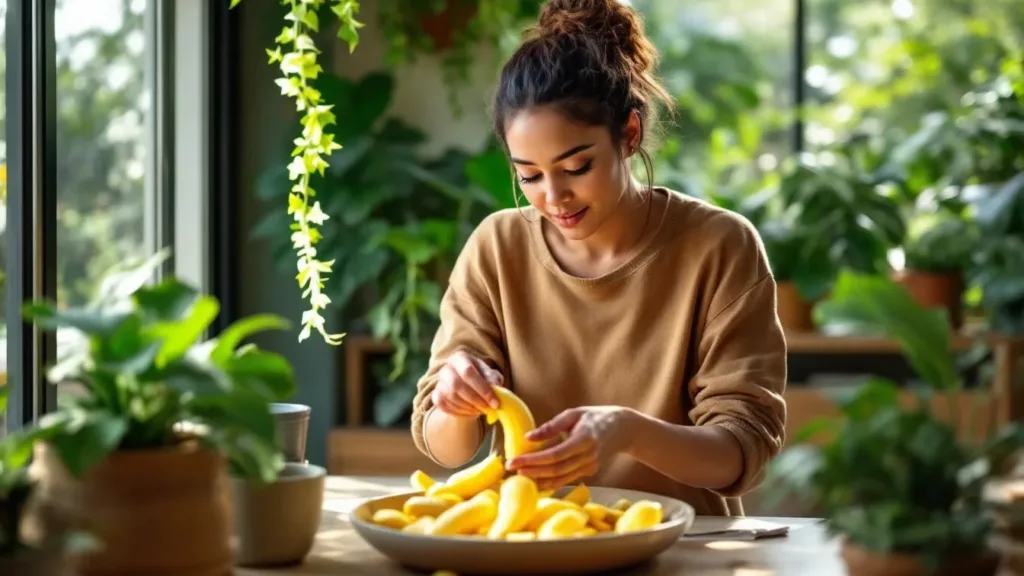
When it comes to houseplant care, the soak method is both easy and effective. Simply chop up banana peels and immerse them in water for 24–48 hours. This allows the nutrients to leach into the water, creating a fertilising liquid that can be poured directly onto the soil. It’s significantly better than tossing the scraps in the bin!
Not only does this method provide a nourishing boost to plants, but it also makes use of something that would otherwise contribute to landfills. It’s a double whammy: providing excellent plant nutrition while promoting waste reduction.
Choosing the Right Plants 🌿
Not every houseplant will benefit equally from banana peels. While tropical plants can thrive on the extra potassium, some succulents may not respond as well. Therefore, it helps to research your plant species before diving in. Ferns, pothos, and peace lilies are excellent candidates for this method.
Testing is advisable: start with a diluted soak solution, gradually increasing the amount as your plants respond positively. The soaking method can invigorate the indoor green revolution, proving beneficial for both the plants and the environment.
Beyond Banana Peels: Other Kitchen Scraps for Plant Care 🌍
While banana peels are a fantastic start, other kitchen scraps offer similar benefits. Coffee grounds, eggshells, and even old vegetable stems can be used in conjunction with the soak method. Just be sure to customise your preparation technique according to the type of waste!
For instance, coffee grounds improve soil drainage and encourage earthworms, while crushed eggshells can add a sharp boost of calcium. Combining these techniques will lead to a comprehensive approach to plant care; an innovative take on using what’s often overlooked.
Practical Tips for Utilising Banana Peels in Gardening 🏡
To get started with the soak method, consider brands like Tesco for fresh bananas. Often, the peels are just discarded without a second thought. By turning these skips into nourishing water for your plants, it shows simple changes can lead to big impacts.
You might also want to explore local shops for eco-friendly gardening supplies. Boots often stocks plant nutrients and organic fertilisers that complement the banana peel soak method, creating a holistic approach to your gardening efforts.
A Neighbour’s Gardening Adventure 🌞
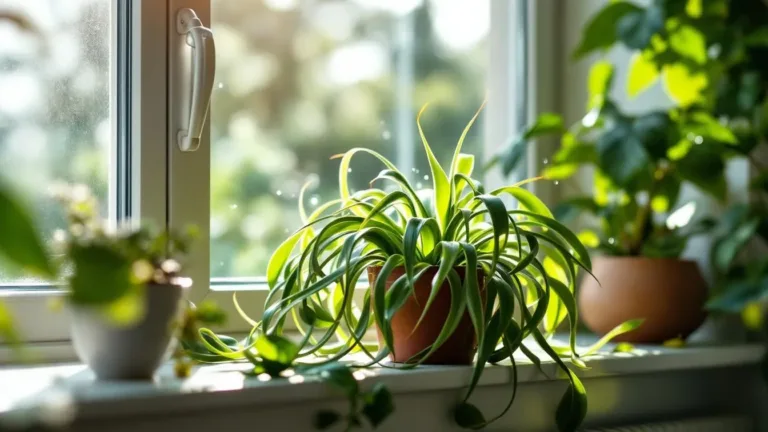
Recently, a neighbour, quite an avid gardener, shared her excitement about using banana peels in her potting routine. Initially skeptical, she transformed her petrified spider plant into a thriving specimen simply by using soaked banana peels. It’s heartening to see community members exploring eco-friendly gardening practices, one banana peel at a time.
Clarifying Misconceptions About Plant Care 🔍
Many believe that all kitchen waste belongs in compost, overlooking the significant advantages of direct use in plant care. The content of banana peels—particularly potassium—offers specific benefits that cannot be simply replicated through conventional fertilisers. So, rather than tossing these peels, they can genuinely support plant health when used correctly.
Moreover, there tends to be confusion surrounding the necessity of synthetic fertilisers, with some thinking that organic options aren’t sufficient. Yet, with the right techniques, plant nutrition can be wholly derived from organic sources like banana peels and other kitchen scraps.
Next Steps Towards Greener Gardening 🌱
Getting started with the soak method requires little more than the initiative to experiment. Begin by saving banana peels, perhaps even starting a mini herbal plant garden using the nutrients from your kitchen scraps. Social media platforms are brimming with tips and videos from fellow gardeners keen on sharing their green success stories.
Ultimately, next time you reach for that banana, consider what could be waiting beneath the skin—both in your diet and your houseplants. Small changes can indeed lead to a more sustainable lifestyle, one peel at a time.
Note: This article is for general information purposes only and does not replace professional advice.