As the crisp autumn air settles in across the UK, gardeners everywhere gear up for their seasonal routines. As leaves begin to fall, our natural instinct is to sweep, rake, and tidy up the landscape—right? You might be surprised to learn that this familiar autumn ritual could be harming your garden far more than you think.
Why Raking Leaves is a Mistake for Gardeners 🍂
- Loss of Nutrients: Raking removes organic matter that would decompose into humus, enriching the soil.
- Soil Damage: Stripping leaves interrupts the cycle of nutrients, leading to poorer soil health over time.
- Habitat Loss: Leaf litter provides shelter for beneficial insects and other organisms that aid in gardening.
Did you know that experts estimate more than 70% of gardeners in the UK still remove leaves every autumn, unaware of the soil health damage it causes?
Understanding Soil Health and Its Importance 🌍
The fundamental misconception lies in equating cleanliness with health. Soil, often seen as just dirt, is a thriving ecosystem. Underneath that layer are microscopic fungi, bacteria, and worms that work tirelessly to maintain its structure and vitality. When fallen leaves are raked away, gardeners inadvertently disrupt this delicate balance.
Imagine a woodland in autumn. The forest floor is a rich tapestry of leaves, fostering life. In contrast, a tidied suburban garden looks neat but becomes lifeless. By obsessively clearing leaves, gardeners strip the soil of invaluable organic matter and nutrients. It’s time to rethink that practice as we transition into the colder seasons.
What Actually Happens When We Clear Leaves ❌
Every autumn, the act of removing fallen leaves leads to a cascade of detrimental effects on the soil. The first consequence is the loss of vital organic matter. As leaves break down, they transform into essential nutrients that nourish plants. This decomposition fosters microbial life, enhancing the soil’s resilience and productivity, especially during unpredictable weather patterns.
In stark contrast, a clear lawn may seem inviting, but without that organic blanket, the soil becomes exposed, vulnerable to erosion and temperature swings. As gardeners might notice, lawns lacking organic matter can suffer, becoming thirsty and stressed in dry spells. Held together by leaves and organic matter, healthy soil retains moisture better and supports robust plant growth.
Actionable Gardening Tips for This Autumn 🍁
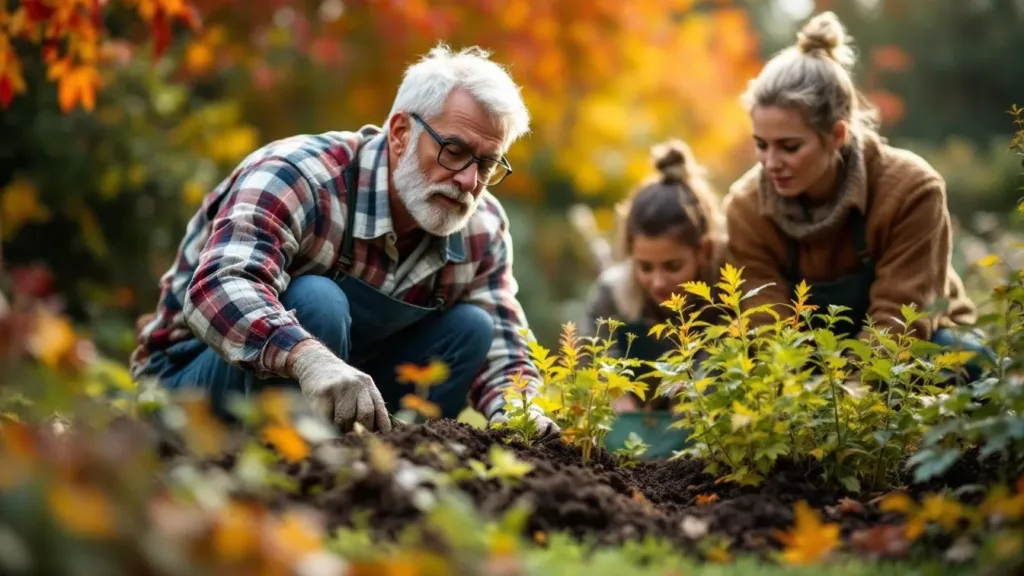
Instead of raking, consider more beneficial methods this autumn. For instance, a mulching mower is an excellent tool for shredding leaves into tiny pieces that decompose quickly, providing nutrients right back to your lawn. Another method involves redistributing leaves into garden beds where they enhance soil health, acting as natural mulch.
Additionally, if you’re composting, save some leaves for that as well. They serve as an excellent ‘brown’ material to balance out kitchen scraps. This approach not only keeps your garden looking tidy but also nourishes the earth for the seasons to come. Embrace the notion of ‘relocate and reuse’ rather than remove.
Anecdotes from the Neighbourhood 🌳
One misconception is that a clean yard signifies good gardening practices; however, experts argue that a ‘messy’ garden—with leaves and organic materials—actually promotes biodiversity. The myth that leaf litter degrades aesthetics fails to acknowledge the ecological benefits. In essence, it’s not about being untidy; it’s about fostering a thriving ecosystem. Moreover, it’s commonly believed that leaving leaves harms grass. In reality, as long as they’re finely shredded, they should enhance the lawn’s health. This change in perception could lead to healthier gardens across the board. Let’s move forward with a fresh perspective on autumn gardening. Consider implementing these new strategies each year and observe the improvements in your soil health. Gather your neighbours, share these insights, and encourage them to embrace a richer gardening culture. Change might be challenging, but as many experts advocate, it’s necessary for sustainable gardening practices. Your soil—and the local ecosystem—will thank you for it! Note: This article is for general information purposes only and does not replace professional advice.Clearing Up Common Misconceptions 📉
What to Do Next for Your Garden 💪