As we welcome spring, the UK weather is feeling a bit indecisive—one minute you’re basking in sunshine, the next you’re caught in a downpour. Just like our unpredictable climate, our gardening habits can use a shake-up. Instead of tossing those spring harvest leftovers, let’s explore how they can transform your garden into a lush haven.
At a Glance
- Organic Fertilisers: Nature’s way to enrich your soil with plant nutrients 🌱
- Composting Benefits: Turning waste into treasure brings sustainability to your garden ♻️
- Cost Savings: Keep your wallet happy—no more expensive shop-bought fertilisers 💰
- Nutrient-Rich Leftovers: Leftovers like banana peels and carrot tops are pure gold for your garden 🌟
- Eco-Friendly Practices: Sustainable gardening for a greener future 🌍
Did you know? In 2026, many gardeners are increasingly recognising spring harvest leftovers as a viable alternative to commercial fertilisers, with some reporting up to a 30% increase in soil fertility. 🌼
The Hidden Value of Spring Harvest Leftovers
When we chat with seasoned gardeners, they often offer a knowing smile when discussing spring harvest leftovers. The broken stems, leafy greens that have seen better days, and even fruit peels are all potential heroes in our gardens. Rather than tossing them in the bin, consider their innate potential. Leftover organic material introduces living microbes into the soil, which help break down nutrients, making them more accessible for your plants.
Every item holds a story. That unceremoniously wilting kale can become compost that enriches the soil, while carrot tops are rich in minerals and can promote healthy growth when returned to the earth. Gardeners swear by these leftovers, and it’s almost a rite of passage to appreciate the raw beauty in what we deem as ‘waste’.
By embracing this eco-friendly practice, we’re not just improving our gardens; we’re also contributing to a more sustainable future. If you think about it, nature has always had a way of recycling, and we’re just catching up!
Simplifying Gardening with Leftovers
The movement towards using spring harvest leftovers is widespread amongst a new wave of gardeners who are making smarter decisions. These aren’t just scraps; they’re tools for enhancing soil structure, improving moisture retention, and fighting against plant diseases. You might wonder about practicality: using banana peels isn’t about making a smoothie for your plants but rather providing potassium, which aids in flowering and fruiting.
For those reluctant to dive into composting, think about how easy it is to chop up vegetables and add them to garden beds directly. Remember that every scrap can be seen as an alternative to those pricey off-the-shelf fertilisers. With every addition, you’re building a healthier ecosystem in your plot.
For example, the sticks and stems from your herb garden don’t have to languish in the tip; they can become a natural mulch, creating a protective layer that retains soil moisture while also slowly decomposing into that magnificent organic matter that plants love.
Practical Steps to Utilise Your Leftovers
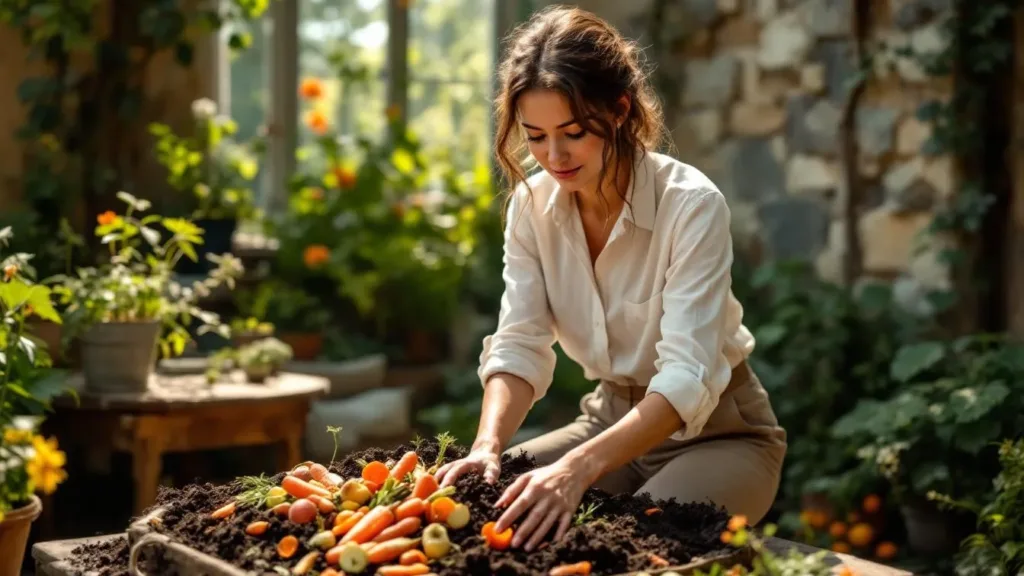
- Collect Your Leftovers: Gather all kitchen scraps—carrot tops, onion skins, and even coffee grounds!
- Chop Them Up: Cut them into smaller pieces to speed up the decomposition process and make them more effective.
- Add to the Soil: Mix them directly into your garden beds or compost bin—it’s that simple!
- Layering Technique: Alternate layers of green materials (like vegetable scraps) with brown materials (like dry leaves) for a balanced compost.
- Monitor the Process: Keep an eye on your compost—turn it every few weeks to keep it aerobic and speeding up decomposition.
Garden Waste and Its Unseen Potential
Picture this: last autumn, I stood over a heap of leaves and leftover vegetables, considering my options. Most people would toss it in the bin, but I took a moment to ponder. Those vegetable scraps held nourishment. Fast-forward to spring, and my patch was bursting with life, thanks to nutrients that I once deemed worthless. The process turned out to be rewarding—not just for my plants but for the awe of nature’s ability to rejuvenate.
With this realisation, I started to embrace the philosophy of viewing garden waste through a different lens. What were previously discarded materials became essential players in my gardening routine. It’s fascinating how shifting our perspective can spawn a renaissance in our gardening efforts.
Your leftover harvest can be a powerful ally. Whether enriching your flowerbeds with organic compost or feeding the soil directly, each piece contributes to a cycle that is both beautiful and fruitful. Just think of what you can create with what you once considered trash!
What’s Next?
Now that you’re equipped with the knowledge of making your garden flourish with spring harvest leftovers, it’s time to get stuck in. Make it a mission to gather those scraps and give your plants the eco-friendly boost they deserve. Who knows, you might even impress your neighbours with how lush and vibrant your garden has become—all thanks to those ‘rubbish’ leftovers!
Note: This article is for general information only and does not replace professional advice.