The unpredictable UK Spring weather can leave us feeling a bit dreary, with those surprise showers and sudden sunny spells—who knew that springtime could be so mischievous? But, just when you thought the season could offer nothing more magical than a cup of tea in a warm café, nature pulls a dazzling trick out of its sleeve. As dusk falls over the forests, a spellbinding spectacle awaits: glowing markings that bring an ethereal glow to the natural landscape.
At a Glance
- Magic in the Woods 🌲✨: Experience bioluminescence as certain fungi and flora light up the UK forests at dusk.
- Unexpected Vibrancy 🎨💫: Common woodland species, typically plain by day, transform into vivid hues under UV light.
- Spring Excursions 🥾🌼: Join guided night walks to uncover the hidden wonders of biofluorescence.
- Glowing Discoveries 🔍🌌: Engage with researchers dedicated to revealing the secrets behind this enchanting phenomenon.
- Family Fun! 👨👩👧👦❤️: Join fellow explorers and witness nature’s enchanting light show—an outing for everyone!
Did you know? By 2026, the understanding of biofluorescence in UK woodlands is expected to deepen, revealing new insights into this captivating phenomenon.
Why UK Forests Glow At Dusk
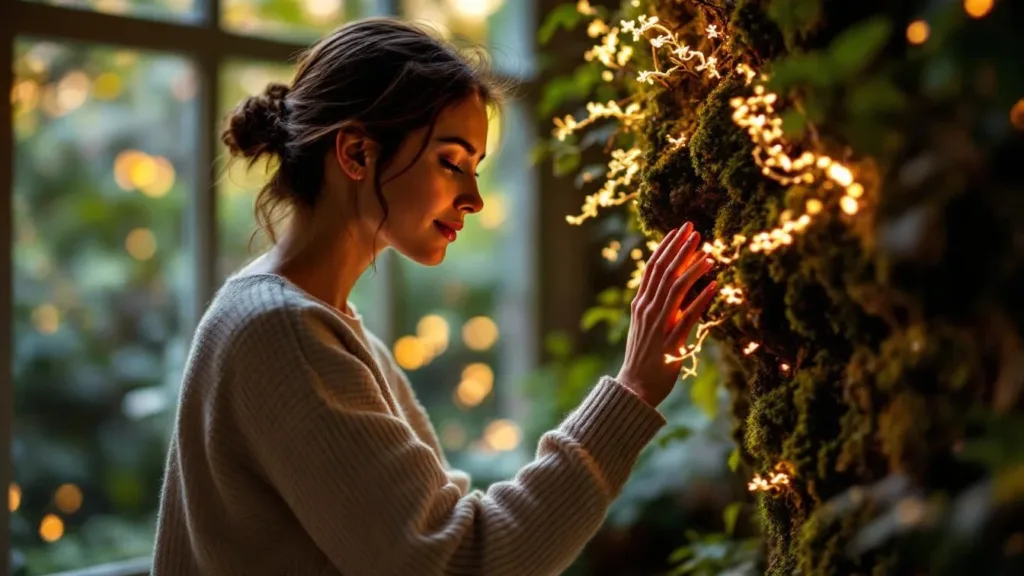
As the sun dips below the horizon, casting long shadows across the UK’s lush woodlands, an extraordinary transformation begins. In places like Scotland’s ancient rainforests, the dark becomes the perfect canvas for nature’s neon art. Species like certain mushrooms and fungi, often overlooked during the day, emit a captivating glow when illuminated by UV light. This phenomenon, different from bioluminescence, can be admired through magical guided walks where you can discover creatures that turn into living masterpieces.
It’s particularly fascinating to observe how ordinary elements of the forest—like snails and woodlice—adopt vibrant shades of blue and yellow under these special conditions. For instance, the once mundane brown of a common snail explodes into shimmering neon yellow, while unsuspecting woodlice don dazzling azure coats. Such transformations reveal the diversity hidden in familiar settings, encouraging us to appreciate the lively ecosystem surrounding us.
But what exactly makes these species glow? Researchers suggest that biofluorescence serves various purposes, from communication to camouflage. This intricate dance of light and shadow has been observed in marine life for years, yet discovering it in our own backyards is revamping how we perceive nature and the remarkable adaptations of its creatures.
Exploring Biofluorescence
During the day, many of these organisms blend seamlessly into their surroundings. However, once the sun goes down and the UV torch flicks on, an incredible array of colours springs to life. The rich tapestries of lichens become vividly brighter, with patterns reminiscent of a radiant floral tapestry. That unassuming woodlouse becomes a shimmering spectacle, its colour revealed in a stunning palette of blue under the UV light.
Guided walks led by passionate naturalists unveil this hidden realm to participants, with voices filled with awe as they witness ordinary life juxtaposed with the extraordinary. Imagine standing in a serene woodland, surrounded by curious eyes, and collectively exclaiming “wow” when ordinary creatures brighten into luminous beings. This not only fosters a connection with nature but offers a unique chance to learn about the behavioural ecology of these fascinating organisms.
Evolving understandings suggest that such luminosity might be a common trait among many forest dwellers. Even human teeth show biofluorescence under UV light! It seems we’re all part of nature’s luminescent tapestry in one way or another. With ongoing research, the future may uncover even more extraordinary talents hiding beneath the forest canopy.
Join the Glow: Practical Steps
- Grab Your Torches 🔦: Invest in a good UV torch to facilitate your own adventures in biofluorescence.
- Find a Local Tour 🗺️: Look for guided night walks in your neighbourhood; they are often hosted by local nature groups.
- Observe 👀: During walks, pay close attention to how different organisms change under UV light.
- Educate 📖: Learn about the species you encounter; understanding their roles can enhance your experience.
- Share Your Findings 📸: Take photos and share your experiences online to spread the excitement!
A Glowing Experience
Last spring, I found myself wandering through Dunollie Wood during one of those special guided night walks. Armed with my UV torch, I was eager to witness the transformation. When the guide pointed out a common mushroom that suddenly turned a brilliant blue, I couldn’t help but feel a childlike excitement. Equally enthralling was watching a humble woodlouse emerge as a glowing azure wonder. I remember laughing with the group, united in our shared awe at the forest becoming a luminescent dreamscape. It was a moment I’ll never forget, firmly weaving the beauty of nature into my everyday life.
The Future of Nature’s Light
With an increasing focus on conservation and understanding the natural world, exploring this biofluorescent wonder opens doors to deeper connections with our environment. Educational initiatives and outdoor excursions invite families to experience the mystery of the glowing forest. This phenomenon not only adds wonder to our natural landscape but also encourages curious minds to delve into the unknown. Biofluorescence is poised to become a fascinating area of study in the years ahead, potentially leading us to many more revelations about our natural companions.
So, whether you’re a seasoned nature enthusiast or simply curious about the world around you, grab a torch, seek out those glowing markings, and immerse yourself in the enchanting, luminous wonder that UK forests have to offer.
Note: This article is for general information only and does not replace professional advice.