As Spring settles in across the UK, many homeowners are turning their attention to household chores. With the weather gradually warming up, it’s the perfect time to tackle that laundry pile that has been building up.
Why Tennis Balls are Game Changers for Your Laundry 🏐
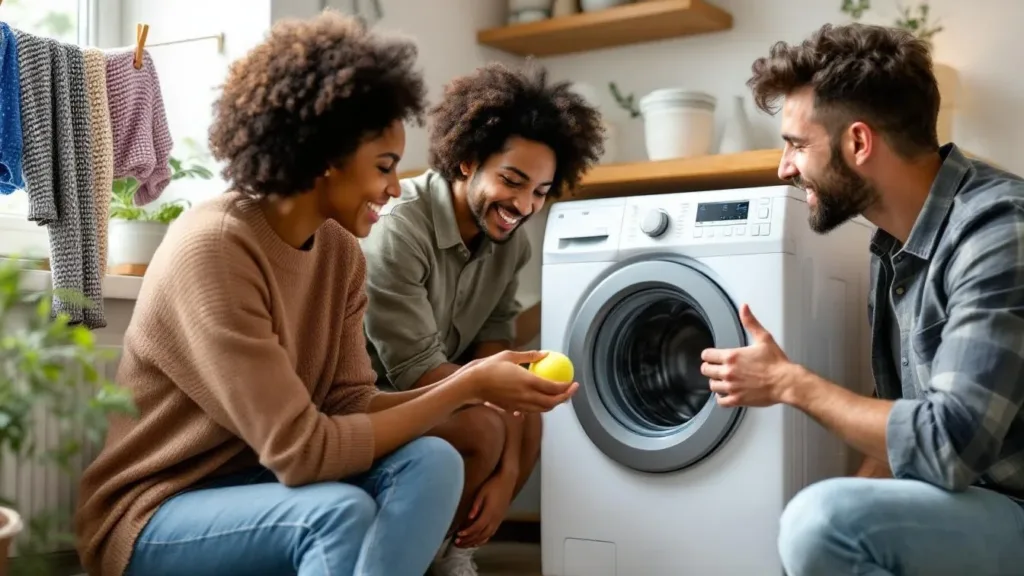
- Enhanced Drying: Using a tennis ball in the washing machine helps separate clothes, allowing for better water flow. 🌊
- Increased Softness: The ball acts like a dryer ball, making fabrics softer without the need for chemical softeners. 👕
- Energy Saving: Improved drying efficiency means potentially reduced energy bills. ⚡️
- Noise Reduction: Believe it or not, the cushioning effect can help minimise noise during cycles! 🤫
Did you know that in 2026, homeowners reported a 20% increase in laundry efficiency by incorporating simple home hacks like tennis balls? 📊
Maximising Your Washing Efficiency 📈
With the rising cost of living, savvy homeowners are looking for every way to save a penny. By adding a simple tennis ball in the wash, efficiency receives a boost. This trivial addition allows clothing to agitate freely, which leads to improved cleaning and faster cycles. It’s all about utilising each washing moment to its fullest.
Moreover, the combination of warm spring weather and the right laundry hacks means fresher, softer clothes, all while lowering utility costs. A win-win, if ever there was one. Tennis balls are not just for the court; they can seamlessly fit into your laundry routine.
Understanding Fabric Care: What to Consider 🧺
Homeowners often fret about how to maintain their clothing. Misunderstandings about fabric care can lead to premature wear. Incorporating a tennis ball can help to soften fabrics and ensure they maintain their quality for longer. But it’s essential to keep fabric types in mind—more delicate materials may benefit from a gentler approach.
Spring cleaning rituals often include sorting through the wardrobe, ensuring that your garments are treated just right can keep those much-loved items in circulation. The right care practices, such as using tennis balls, prevent damage and ensure items remain fresh and functional.
Practical Laundry Tips for Every Home 🏡
When it comes to laundry, straightforward practices can make a remarkable difference. Brands like Tesco and Boots offer numerous options for fabric care products that can be paired with tennis balls. Integrating the tennis ball into a washing cycle not only reduces the need for drying sheets but also enhances fabric care by keeping clothes from clumping together.
To make the most of laundry days, homeowners can take advantage of laundry baskets too—sorting items by colour and fabric type can save time and ensure that everything is treated appropriately. After all, a little effort goes a long way in maintaining an efficient laundry routine.
A Day in the Life: A Neighbour’s Laundry Fix 🧼
Just the other day, a neighbour shared tales of her newfound love for using a tennis ball in the wash. Initially sceptical, she decided to give it a go after hearing rave reviews from friends. Now, she can’t stop raving about how fluffy and fresh her towels feel after a cycle. It’s these little stories that inspire others in the community to try innovative home hacks—one neighbourly tip at a time.
Clearing Up Laundry Myths ❓
There’s a common misconception that all fabric softeners do the same job. However, many believe that using a tennis ball can achieve similar results, and in some cases, better outcomes. By reducing static and separating clothing, the tennis ball can deliver softness better than many chemical alternatives. It’s a natural and effective method that more homeowners should consider adopting.
Another myth is that tennis balls can damage clothes. With the right placement—just one or two per load—there’s little risk to garments. Proper usage ensures that this simple hack becomes a go-to solution rather than a worry.
What Next? Take Control of Your Laundry! 🔄
Note: This article is for general information purposes only and does not replace professional advice.