With a surprising cold snap forecasted across the UK this week, British Gas and other major energy suppliers have issued an urgent ‘5-second’ check for homeowners. As we approach the end of the heating season, many households have ignored a critical setting on their radiators that could be adding as much as 12% to their monthly energy bills. According to 2026 efficiency data, nearly 7 million UK homes are currently “over-heating” their rooms due to a simple mechanical oversight that takes mere seconds to rectify.
The April Energy Check: What You Need to Know ⚡
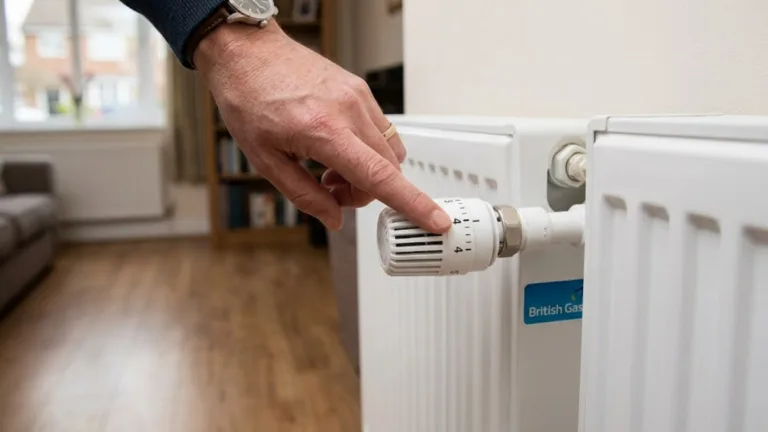
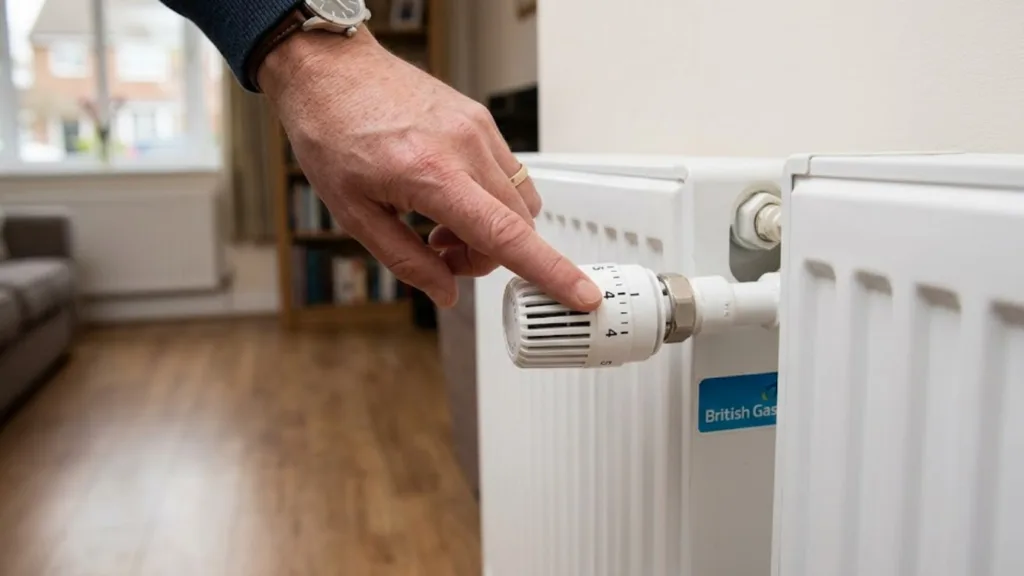
- The ‘Number 3’ Rule: Energy experts suggest that setting your Thermostatic Radiator Valve (TRV) above ‘3’ in unused rooms is the #1 cause of heat wastage.
- The 5-Second Test: Simply turning the valve to zero and back to your desired setting can clear internal “sediment stick” that causes boilers to overwork.
- April Price Hikes: With the 2026 standing charges increasing this week, every kilowatt saved is more vital than ever for the average British family.
- Smart Meter ‘Ghosting’: British Gas warns that “ghost” energy usage often occurs when radiators in hallways or landings are set too high, triggering the boiler unnecessarily.
- The ‘Pinhole’ Risk: Bleeding your radiators isn’t enough; checking the “lockshield” valve for dampness takes 5 seconds and prevents thousand-pound flooring repairs.
Did you know? Most people believe that turning a radiator to ‘5’ heats a room faster. In reality, a TRV works like a speed limiter, not an accelerator. Setting it to ‘5’ simply tells the radiator to never stop heating until the room reaches roughly 30°C—a temperature rarely needed in a UK home.
Why the ‘TRV Stick’ is Costing You Money This Spring
As we transition into April 2026, many radiators have been running consistently for months. This leads to a common mechanical failure known as “Pin-Stick.” Inside your radiator valve is a small metal pin that regulates hot water flow. Over winter, lime-scale and debris can cause this pin to seize in the “fully open” position.
The 5-second warning from British Gas involves manually rotating your radiator dial from the highest to the lowest setting. If you don’t hear a faint “click” or feel slight resistance, your valve might be stuck. This means your radiator is pulling maximum heat from your boiler even when your thermostat says the house is warm enough. Fixing this “seized pin” can immediately drop your gas consumption by over 10%.
The ‘Cold Spot’ Myth: Why Bleeding Isn’t Always the Answer
For decades, the standard advice for a cold radiator was to “bleed it.” However, 2026 heating systems are more sensitive to pressure drops. Experts are now warning that over-bleeding can actually de-pressurise modern Combi-boilers, leading to a costly call-out fee.
Before you reach for the radiator key, try the “Hand-over-Base” check. If the bottom of the radiator is cold but the top is hot, it isn’t air—it’s sludge. Adding a simple chemical inhibitor to your system (a 10-minute DIY task) is now recommended by British Gas as a more effective alternative to constant bleeding, potentially extending your boiler’s life by up to five years.
The 12% Saving: Optimising the ‘Flow Temperature’
One of the biggest “hidden” tips being pushed by energy advocates this April is adjusting the Boiler Flow Temperature. Most UK boilers are set to 70°C or 80°C by default, which is far higher than necessary for springtime weather.
By turning your boiler flow down to 55°C or 60°C, you allow the boiler to operate in “condensing mode,” which is significantly more efficient. When combined with properly adjusted radiator valves (the ‘5-second check’), the cumulative savings on a standard semi-detached home can reach £180 per year based on 2026 energy caps.
Why You Should Check Your Radiators ‘Off-Season’
While it seems counter-intuitive to check heaters as we head toward summer, April is the “Danger Zone” for damp. Small leaks often go unnoticed when the heating is off. British Gas suggests placing a single piece of tissue paper under the “Lockshield” valve (the capped valve on the opposite side of the dial). If it’s damp 24 hours later, you have a slow leak that could cause structural damage to your floorboards while you aren’t looking during the summer months.
Frequently Asked Questions (FAQ)
Should I turn all my radiators off in rooms I don’t use? British Gas actually advises against turning them completely to ‘0’ or ‘Off’ in the winter/spring. Instead, set them to the ‘Frost’ symbol (*) or ‘1’. This keeps a minimum amount of water moving, preventing the pipes from freezing or the valves from seizing up entirely.
Is it true that painting radiators reduces heat? Yes. Modern “metallic” or very thick “designer” paints can reduce the emissivity of the radiator surface. For maximum efficiency, standard white factory paint is best. If you must paint them, use specialist “Radiator Enamel” to ensure heat transfer isn’t blocked.
My smart meter shows high usage even when the heating is low. Why? Check your “Pre-heat” settings on your boiler. Many 2026 smart systems have a “Comfort Mode” that keeps water hot 24/7. Switching this to “Eco Mode” or “Timed” can save a significant amount on your daily standing charge.
Conclusion: Small Checks, Big Savings
The British Gas ‘5-second’ warning is a reminder that efficiency doesn’t always require expensive upgrades or new solar panels. Often, it’s about the small, mechanical components we touch every day but rarely think about.
As the UK weather remains unpredictable this April, taking five seconds to “wiggle” your radiator valves and check your flow temperature could be the easiest money you make all year. Don’t let your boiler work harder than it has to—your bank account will thank you.
Stay warm and save smart this April!