
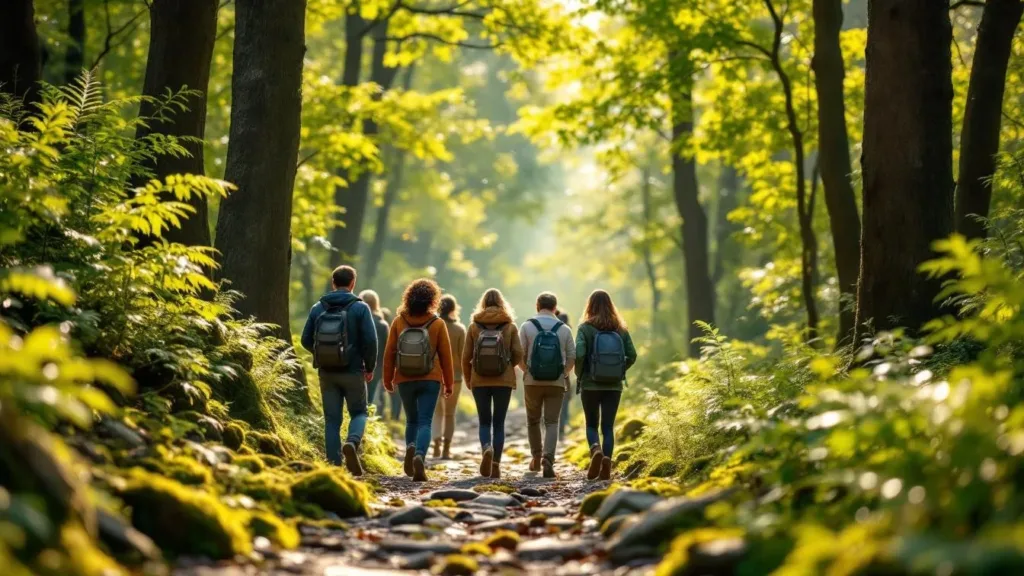
As the sun timidly reappears from behind the clouds this spring, the British public is trading their indoor routines for a more invigorating pastime. The shift towards the great outdoors is more than just a momentary obsession; it’s a growing trend that medical professionals are now endorsing for its mental health benefits.
Discovering the Benefits of Forest Bathing 🌳✨
- Stress Reduction: Simply being in nature significantly lowers cortisol levels, helping to alleviate stress. 🌿
- Mental Clarity: Time spent in woods provides a mental reset, allowing for clearer thinking and enhanced creativity. 🧠
- Physical Health Boost: Regular walks in natural surroundings can improve cardiovascular health and overall fitness. 🚶♂️
- Connection to Nature: This mindful practice cultivates a deeper appreciation for the environment, fostering eco-consciousness. 🌍
A surprising statistic: In 2026, over 60% of UK adults are engaging in nature therapy, marking a significant rise in awareness around mental wellness. 🌞
How Nature Therapy Influences Mental Health
The connection between nature and mental well-being isn’t merely anecdotal. Numerous studies demonstrate that immersing oneself in green spaces can alleviate symptoms of anxiety and depression. Sharp contrasts with urban lifestyles, where noise pollution and overcrowding take their toll, become apparent as individuals engage in more tranquil environments. It’s remarkable how a simple walk among the trees can radically transform one’s mood.
Research indicates that spending just twenty minutes outdoors can lead to observable shifts in emotional states. In a world where stress becomes pervasive, rediscovering ancient woodlands provides an antidote. Even short trips into these serene spaces prove effective; it’s about quality time spent in the right environment.
The Practice of Ecotherapy
Ecotherapy is increasingly being recognised as a legitimate form of rehabilitation and mental health therapy in the UK. Therapists encourage individuals to engage with nature actively, thus reaping significant psychological benefits. It’s no longer just a suggestion; in many practices, walking in the woods is fast becoming a prescribed activity alongside traditional therapy methods. This holistic approach also garners support from insurance organisations, which are beginning to cover ecotherapy sessions.
Walking trails are an integral part of the UK’s landscape, but the notion of intentionally using these spaces for wellness is relatively new. The NHS has started to acknowledge this by introducing community programmes aimed at getting people outdoors. With institutions advocating for these activities, it becomes crucial for everyone to consider the profound effects of being in natural surroundings.
Practical Tips for Your Forest Bathing Journey 🌲🧘♀️
For those wishing to embrace this wellness trend, local brands can offer resources. Tesco, for instance, provides a range of eco-friendly gear, from walking shoes to picnic supplies. Moreover, Boots stocks various skincare products that can aid in protecting your skin from the elements during outdoor activities.
Consider joining local groups that organise walks and activities in natural settings. Many councils are now offering free meet-ups that promote not just walking but mindfulness practices in natural environments. These events are designed to foster community and connection, a two-for-one benefit that can boost both mental and social wellness.
A Glimpse into Everyday Life and Nature’s Role 🍃
Note: This article is for general information purposes only and does not replace professional advice.Clearing Up Misconceptions about Nature Therapy
What’s Next for Your Health and Wellness Journey?