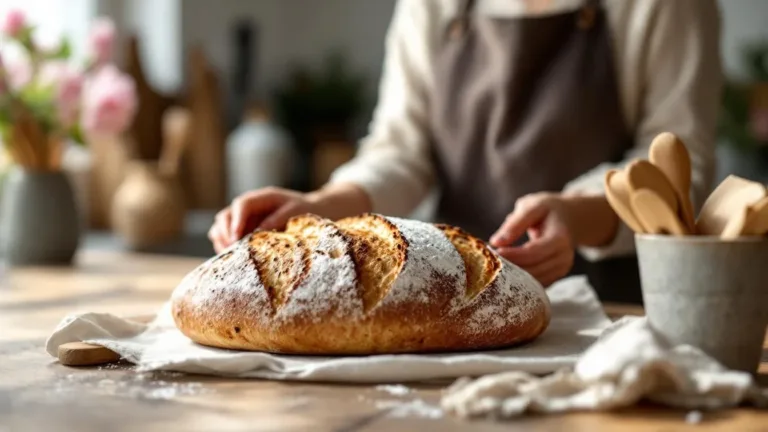
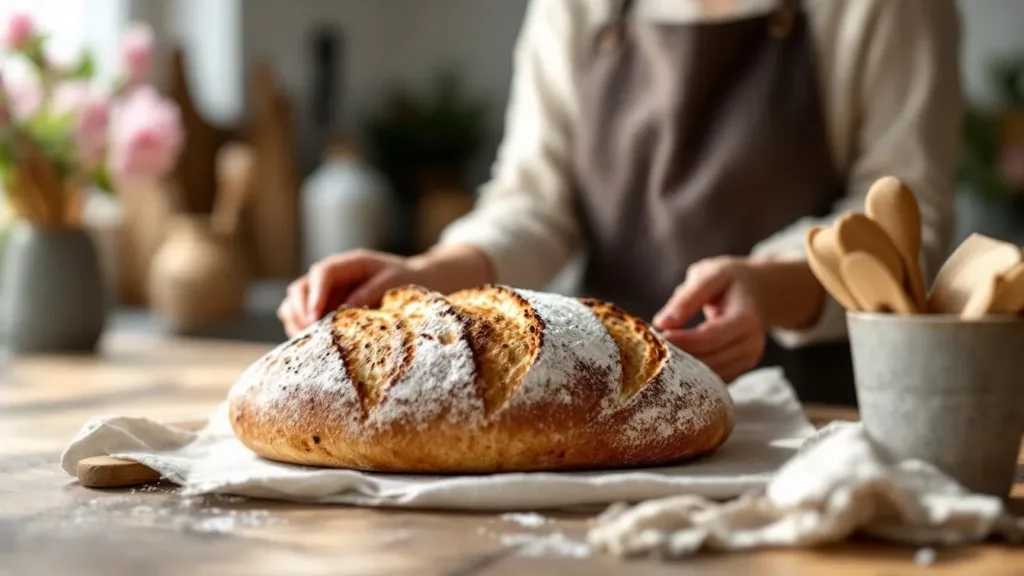
Picture this: you’ve just splurged on a lovely sourdough loaf from the local artisan bakery. You’re feeling quite chuffed, but after a few days, it’s starting to lose that delightful freshness. What do you do? Many people instinctively pop it in the fridge, thinking they’re prolonging its life. Spoiler alert: you’re not. Let’s chat about why storing bread in the fridge is a one-way ticket to Stale Town, especially with the unpredictable UK Spring weather playing havoc with humidity levels.
At a Glance
- Starch Retrogradation: This is the enemy of bread freshness. ❌
- Temperature Matters: Colder means quicker staling! 🥶
- Humidity Control: Moist environments can prevent mould without sacrificing texture. 💧
- Storage Methods: Keep it at room temperature or freeze! 🥖
- Best Practices: Buy less, enjoy more. 👌
Did you know that, according to a recent 2026 study, 60% of people still refrigerate their bread, believing it extends shelf life? This common misconception might be costing you that perfect sandwich! 📊
The Science Behind Staling
When bread is baked, the heat gelatinises the starches, making them soft and fluffy. However, once the bread cools, those same starch molecules start to reconfigure in a process known as retrogradation. This is where things go awry; at room temperature, this process happens slowly, but in the fridge, it speeds up dramatically. The result? A hard, dry loaf that’s anything but appetising.
As the cold air in your fridge accelerates starch recrystallisation, the bread loses moisture. Yes, you read that right: the very air you think is preserving your loaf is actually pulling the life out of it. You end up with bread that’s, dare I say, pathetic. Not exactly ideal for your brunch, is it?
While it’s true that fridges can slow down mould growth, the sacrifice in taste and texture is often not worth it. If you’re planning to eat the bread within a few days, just keep it on the counter, ideally in a paper bag to maintain that crucial humidity. If you don’t think you’ll finish it in time, it’s far better to freeze it than to let it languish in cold storage.
Humidity Control and Mould Prevention
Mould lives and thrives in warm, moist environments—so the fridge seems like a natural choice to keep it at bay. However, the humidity that comes with keeping bread at room temperature helps maintain its softness and flavour. When you store bread in the fridge, you inadvertently create a condition ripe for staleness and an unpleasant texture.
Experts suggest that if you consume bread quickly, the fridge is not needed. But for long-term storage, the freezer is your best bet. Wrap your bread tightly in plastic or foil and pop it into a freezer bag to prevent freezer burn and that dreaded stale taste. This way, when you’re ready for that slice of toast, it’ll still taste just as delicious as the day you bought it!
Interestingly, as spring rolls in, you’ll notice the outdoor humidity levels fluctuating unpredictably, which can complicate traditional bread storage. Keeping it out of the fridge can mitigate these issues, allowing the bread to adapt better to changing conditions.
Best Practices for Storing Your Bread
So, what’s the play here? First, consider purchasing bread in smaller quantities so you won’t have an excess of leftover slices. Often, those delicious artisan loaves are meant to be enjoyed fresh, and they come with a shorter shelf life. Buying less allows you to savour it while it’s at its peak.
If you realise you’ve got a few slices left that aren’t likely to be eaten soon, revive them! Place stale bread in the oven at a low temperature after lightly sprinkling it with water. This nifty trick can work wonders and make your bread taste almost fresh again.
In summary, remember that keeping bread in the fridge may seem practical but can yield disappointing results. Stay vigilant with your bread storage habits to enjoy that divine crunch and avoid a sad loaf by following these simple guidelines.
Practical Steps to Keep Your Bread Fresh
- Stick to buying fresh bread in smaller amounts. 🛒
- Store unused bread in a breathable paper bag at room temperature. 🏠
- If needed, wrap tightly and freeze for later use. ❄️
- Revive stale bread by lightly moistening and warming in the oven. 🔥
- Avoid the fridge altogether! Trust me. 🙅♂️
Last week, I popped into my local bakery—clearly renowned for their incredible baguettes. I snagged a couple for dinner and, naturally, couldn’t wait to enjoy the leftovers. I diligently stored one in a paper bag on the counter but accidentally left the other in the fridge. Fast forward two days, and let’s just say the difference was evident. While the first was still soft and tasty, the fridge loaf might as well have been a doorstop! Lesson learned, eh?
What’s Next?
Next time you find yourself at the bakery, remember these tips and avoid the fridge at all costs. Your taste buds will thank you for making the effort to keep your bread fresh and delightful. Share your favourite loaf-storing tips with mates and help spread the word about the joy of fresh bread! Keep it tasty, keep it fresh! 🥖🎉
Note: This article is for general information only and does not replace professional advice.