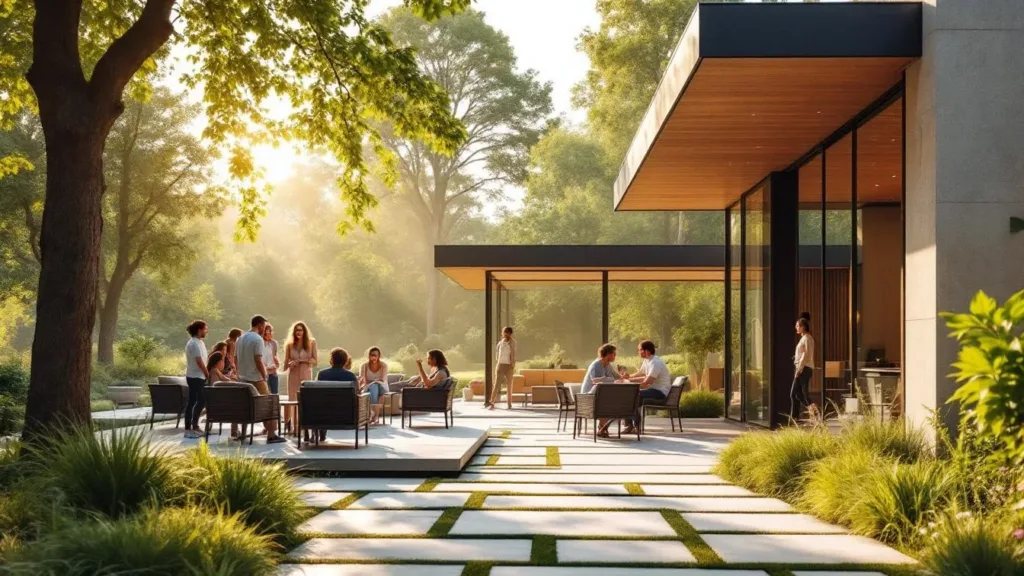
In the UK, the unpredictability of spring often has us reaching for our umbrellas while eyeing the latest luxury show homes in our local estate agents. With majestic views and opulent features, these luxury estates are becoming the centres of attention for anyone dreaming of an escape from their daily routine. As we navigate hidden corners of the property market, let’s explore the architectural history of the world’s most remote private residences.
Architectural Marvels Hidden Away: A Glimpse into Luxury 🌍
- Unique Building Techniques – Innovative designs that blend aesthetics with functionality.
- Location Perks – Peace and privacy often found in mountainous or isolated environments.
- Historical Significance – Many estates link back to notable architectural movements and local cultures.
Did you know that as of 2026, over 60% of new luxury estates feature eco-friendly materials, showcasing a shift towards sustainability in high-end real estate? 🌱
Understanding Remote Luxury: Why Location Matters 🏞️
When delving into the realm of luxury estates, remote locations are not just an afterthought; they serve as fundamental aspects of exclusivity. Nestled away from urban sprawl, these homes often boast breathtaking views, surrounded by nature’s tranquillity. Estates such as those in the Outer Hebrides of Scotland highlight how architecture can harmonise with the rugged landscapes, forming a seamless connection with the environment.
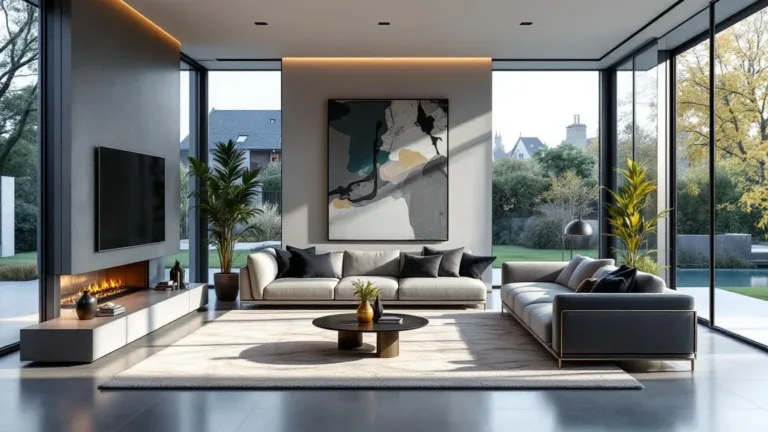
Luxurious stone builds, coupled with expansive glass windows, offer stunning panoramas while maintaining the privacy that many affluent individuals crave. The strategic placement of these properties often reflects a deep appreciation for local heritage and natural beauty, echoing the rich architectural history within their design.
Luxury Estates: Architectural Styles Through Time 🏛️
The evolution of architectural styles in luxury estates speaks volumes about cultural and technological advancements. From the grandeur of historical mansions that feature intricate woodwork and ornate facades to modern minimalism that embraces simplicity and sustainability, each design tells a unique story. For example, consider the breathtaking House in an Olive Grove in Greece, a creation of architect Piers Taylor, where concrete meets nature, bridging the gap between comfort and rustic authenticity.
Furthermore, properties like the Hlöduberg Artist Studio in Iceland showcase a masterful blend of old and new. Built within the shell of a derelict farm building, this structure both preserves history and accommodates contemporary art, highlighting a growing trend towards adaptive reuse in luxury architecture.
Noteworthy Examples of Remote Estates Worldwide 🌅
Examining luxury estates located in remote regions reveals a spectrum of architectural brilliance. For instance, the Caochan na Creige in Scotland, a discreet dwelling built with local stone, is designed to blend seamlessly with the rugged coastline. Such attention to local materials ensures that the structure respects its surroundings while providing a high standard of living.
Meanwhile, in Canada, the La Cime cabin utilises pre-aged western pine to camouflage within the lush woodland. The concept of blending architecture with natural settings is essential, not only for aesthetics but also for environmental sustainability. As we celebrate these remarkable homes, it is clear that luxury architecture considers both beauty and ecological impact, ensuring that future generations can enjoy these landscapes.
Embracing Luxury: Practical Tips for Future Homeowners 🏡
Thinking about investing in a luxury estate? Understanding what makes these homes special can guide your choices. For starters, consider the features that resonate with your lifestyle. Retailer Tesco now offers home and garden items tailored for luxury spaces, allowing you to blend functionality with style.
Additionally, brands like Boots have ventured into spa-like bathroom essentials, perfect for creating a personal sanctuary at home. Attention to detail—such as high-quality fixtures and innovative technology—will elevate your living experience and reflect your unique taste. Investing in bespoke craftsmanship can turn an ordinary home into an exclusive property.
A Day in My Neighbourhood: The Charm of Luxury Living 🏘️
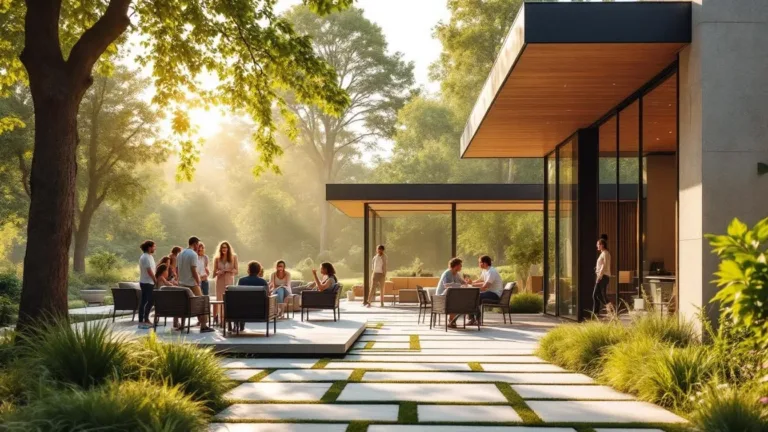
The charm of living near luxury estates often comes in unexpected ways. Just the other week, my neighbour, who works as an architect, invited myself and a few friends to his latest project—an intriguing home tucked into a lush eventide under the canopy of trees. The meticulous planning and the grand façade were eye-catching, making us all feel like we were browsing in a luxury property catalogue. It’s captivating to think that, amidst the daily hustle, such elegance can flourish, reminding us of the beauty in our local landscapes.
Debunking Luxury Myths: What Truly Defines an Estate? 🚫
It’s easy to perceive luxury estates purely as grand homes filled with extravagant features. However, many misconceive that luxury equates solely to scale. The essence of these properties lies in their individuality—the story behind their architectural genesis, the harmony with the local culture, and the experience they offer their inhabitants. A smaller estate, crafted with care and positioned in an idyllic setting, can rival the allure of grandiose mansions.
Furthermore, sceptics often argue that high costs for luxury properties are detached from reality. Yet, the value comes not just in the tangible aspects, but also in the peace of mind, security, and lifestyle these homes embody. Understanding the full narrative helps us appreciate why certain properties command higher price tags.